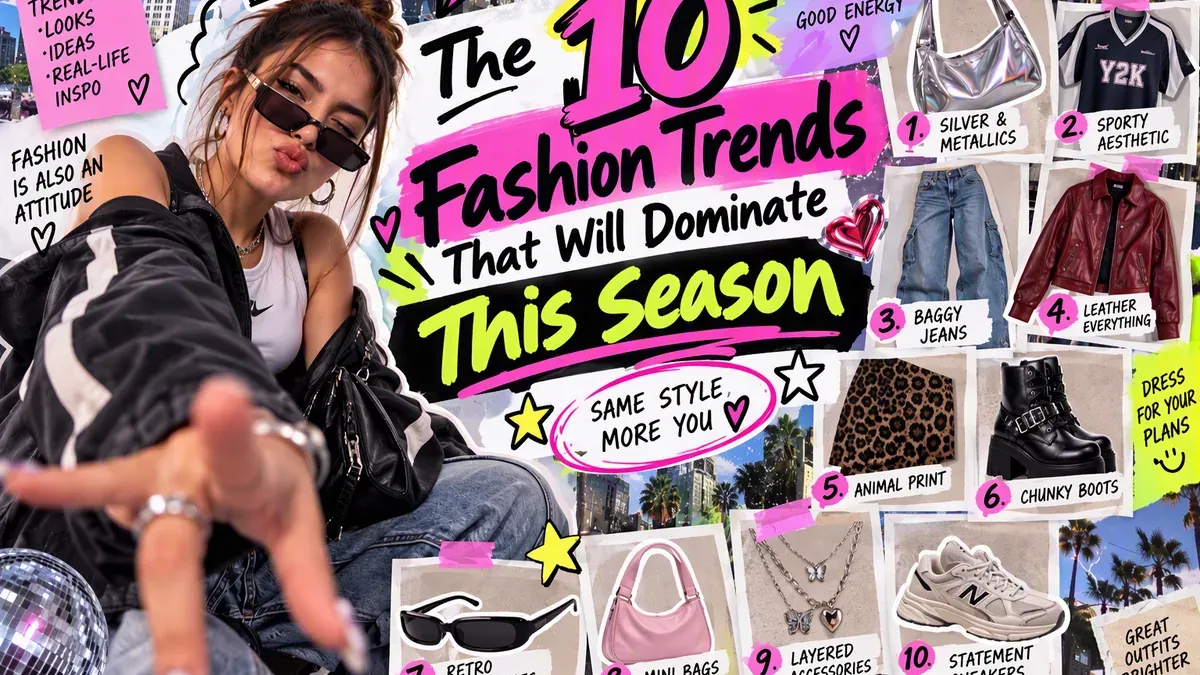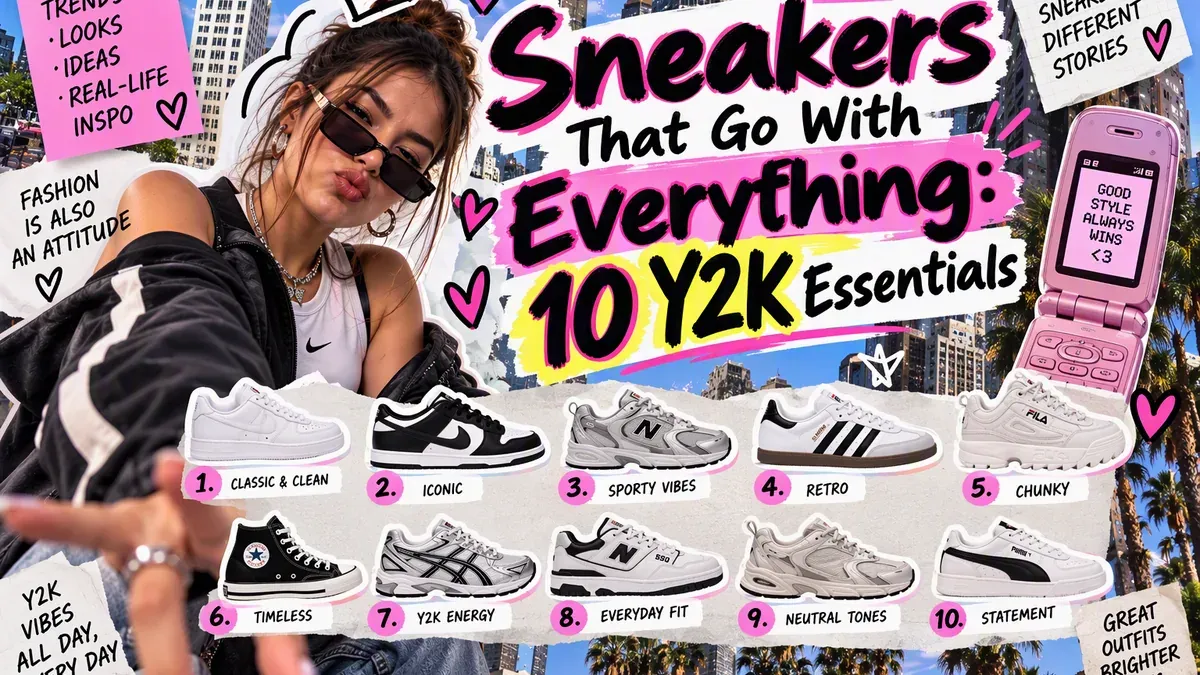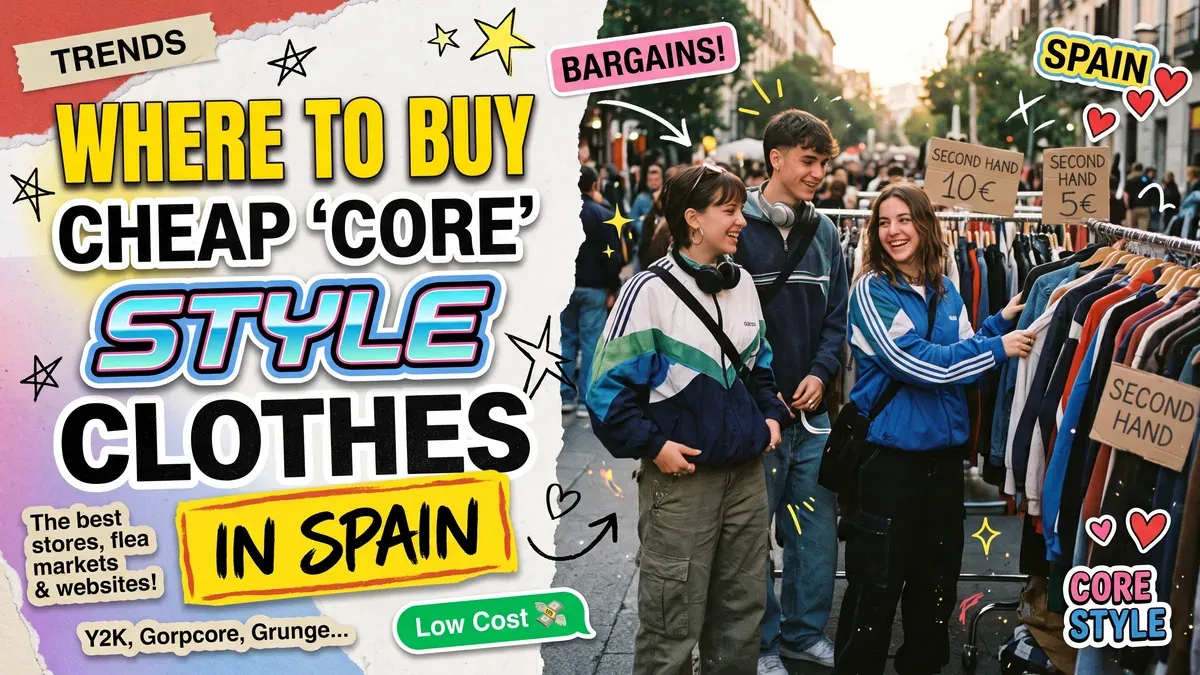
-core aesthetic clothes are bought in three places: physical discount stores (Primark, Lefties, KiK), second-hand apps (Vinted, Wallapop) and the sale sections of regular chains. That covers any TikTok look for a fraction of the “full outfit” creators show.
Short answer: basics go in cheap physical stores; viral pieces go through dupe apps with fast shipping; unique finds go second-hand. In that order, and without rushing.
The trick is not finding a magic store: it is knowing what to look for in each one. Trendy jeans do not get bought where everyday sneakers do, and the piece that looks expensive is sometimes just outlet stock with a new tag. Here is the full map.
What the core aesthetic is (and why everything ends in “-core”)
On TikTok, styles are named with the -core suffix: clean girl, old money, balletcore, cottagecore, Y2K core. The suffix marks a complete aesthetic: colors, fabrics, cuts and even the type of shoe. That is why a single piece can look like nothing until you combine it with the rest of the code.
The interesting part for your wallet is that almost every -core style is built on basics. Clean girl is a well-cut white tee and black trousers. old money is a fine knit sweater and loafers. The expensive-looking part comes from the combination and how the garment is treated, not from the label.
Which means the base is bought cheap, and the savings go to the statement pieces, the ones that actually show up on camera.
Physical stores: where to go
Primark. The default for basics and of-the-month trends: tees, hoodies, jeans and seasonal accessories at impulse prices. In Spain it operates as physical retail only, so the strategy is to go with a list and try everything on. Quality is fair, but for fast-turnover pieces it does the job.
Lefties. The value brand of the Inditex group, Zara’s sister label. Same fast-fashion aesthetic at clearly lower prices, and in sales you can find pieces from about EUR 3.89. If you like the Zara look but not the receipt, this is the logical stop.
KiK. The German chain that arrived in 2022 with the slogan “dress head to toe for 30 euros.” Its strength is basics: tees from EUR 2.99, sweatshirts and homewear. It already runs over a hundred stores in Spain, mostly in Andalusia, Madrid and mid-size cities. It is not the store for the latest trend; it is the one for the basic drawer you are always missing.
H&M and Mango. For when the specific viral piece is not in the stores above. It pays to check their permanent sale sections before ordering online: the same garment often costs half in the store.
Online: discounts, dupes and apps
Special-price sections. Zara runs a “Special Prices” section with permanent discounts of up to 44% that never appears on the homepage. Same brand, different aisle.
Shein, AliExpress and Amazon. Where the viral dupe lives: the cheap version of the piece you keep seeing in videos. It works if you apply three filters: shipping from Spain or Europe (days, not a month), reviews with real photos (not studio shots) and sellers with history. The EUR 8 garment in the creator’s video usually comes from here.
Vinted and Wallapop. Second-hand is the cheapest way to get real brands. Search by style and size rather than by brand, and ask for photos of the label and the fabric. Plenty of wardrobes are full of old money or Y2K pieces at t-shirt prices.
Online outlets. Micolet, Zalando Lounge, Veepee or Privalia carry brand stock at half price. Worth it for coats and shoes, where the discount shows up most in euros.
Clothes by weight and kilo stores
Weight-based warehouses are the most underrated play: you pay per kilo (around EUR 15/kg in most places) and walk out with four or five garments. The model rewards patient hunters: American brands, classic denim and vintage pieces that never appear on any app.
It works better for denim, tees and jackets than for party dresses. And it works worse when you are in a hurry: it is treasure hunting, not scheduled shopping.
How to tell a good dupe from junk
A dupe is not just a cheap copy: it is a copy that lasts. Four checks before paying:
- Fabric composition. On the label, cotton or natural fiber should lead. All-polyester at EUR 7 is usually a one-summer garment.
- Weight. In your hand, decent garments have heft. If it floats, the fabric is thin and will be see-through.
- Seams and finishing. Look at the edges and the collar stitching in the review photos. Loose threads and crooked cuts betray the workshop.
- Sizing. In fast fashion, sizing shifts between collections. Read reviews from people your size, not just the star rating.
And one golden rule: if the viral piece costs under EUR 10, check photos from people who already bought it. That is the difference between a great find and a garment that goes back in the closet unworn.
4 mistakes when buying cheap
- Buying only for the price. Three EUR 5 tees that shrink are worth less than one EUR 12 tee that lasts. Price per garment is not the real price; price per wear is.
- Falling for urgency design. “Low stock” counters and countdowns are conversion design, not information. If the piece is really for you, it will still be there tomorrow.
- Ignoring returns. In physical stores, try everything. Online, check return windows and costs before loading three sizes “just in case” into the cart.
- Forgetting the rest of the look. One viral piece does not make a style. Buy thinking about what you already own: nine times out of ten what is missing is a basic, not another trend piece.
Frequently asked questions
Can you dress on trend for under EUR 50 a month? Yes, and that is the normal model: a basic in a physical store (EUR 10-15), one second-hand piece (EUR 10-20) and accessories you already have. The budget breaks when you buy three trend pieces in one day.
Which styles are easiest to build cheaply? The ones built on basics: clean girl, old money and minimal. The ones that need very specific garments (a particular leather jacket, an expensive lace dress) are much harder to dupe well.
Is Shein worth it or is Vinted better? Depends on the piece. For fast trends and single-use garments, Shein works with the usual precautions. For brands and quality, Vinted wins: same garment, lower price and less new manufacturing.
When are the sales in Spain? The big rounds start in summer and winter, with discounts that step down week by week. Outside those windows, the “special price” sections and online outlets cover the rest of the year.
Are online outlets really cheaper? Yes, especially in season. The catch is limited stock and scattered sizes: if you see your size and think about it, someone else will not.
Cheap is a technique, not a flaw
Dressing with style on a small budget is not about buying the cheapest thing everywhere, but buying cheap in the right place: basics where they are genuinely cheap, trends through vetted dupes, branded pieces second-hand.
The result looks the same on camera. And the difference, which is the part that matters, shows up at the end of the month.
What is your trick for scoring style pieces on a budget? 👇